- Join Now
- Login
- Member Zone
- Your Career
- Freelancing
- International Grooms Association
- BGA Training
- Healthy Yard Healthy Horses
- Transporting horses
- Brexit
- Safe workplace
- Student Zone
- Member Discounts
- BG Magazine
- Member services
- Training & Careers
- BGA CV Creator
- Horse groom training
- Where to Train
- BGA E Learning
- Career choices
- Change to Racing
- First Aid training for grooms
- Parents
- Grooms Jobs
- Grooms Life
- About
- News
- Contact


WHY I AM A MEMBER

“The bespoke information has been invaluable for my career and employment; I don’t feel alone anymore. I have the peace of mind knowing my income is protected with my BGA insurance.”
Jenny Hooch
BGA Member
- Your Career
- Freelancing
- BGA Training
- Healthy Yard Healthy Horses
- Transporting horses
- Brexit
- Safe workplace
- Student zone
- Member Discounts
- BG Magazine
- International Grooms Association




- BGA CV Creator
- Horse groom training
- Where to Train
- BGA E Learning
- Career choices
- Change to Racing
- First Aid training for grooms
- Parents

GROOMS JOB BOARD
Full / Part Time Work Riders
Oxfordshire
Sector Racing (NH)
Search all the latest grooms jobs
WATCH OUR VIDEO
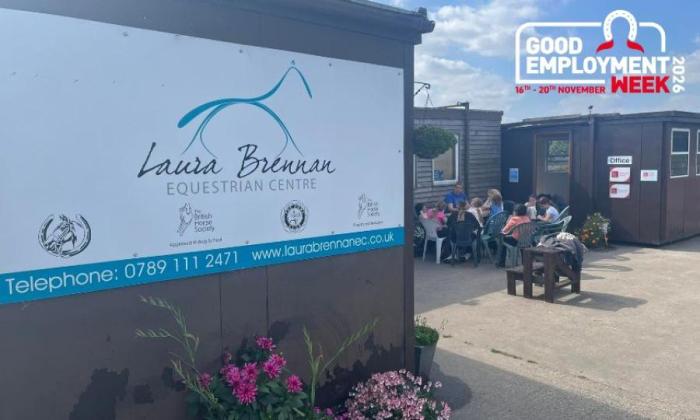
Good Employment Week may be over but the principles of Good Employment are important year round! We continue celebrating the employers who are making a positive difference to working life in the equestrian industry. We spoke to Laura Brennan about the importance of communication, understanding individual interests and creating a supportive environment where both people and horses can thrive. Laura: Good employment is built on honesty, reliability and respect from both sides. Being consistent with employees and checking in with them regularly, face-to-face, is really important. I believe in providing a safe, nurturing environment where people feel supported and encouraged to do their best. Showing care, maintaining high standards and continuing to educate yourself as an employer all help to develop confidence within your team. Laura: I find talking openly, keeping good records and listening to each other really important. I carry out regular appraisals where we sit down and discuss how things are going, including how team members are developing their own interests within the riding school. For example, some people are more interested in coaching, others really enjoy horse care, while some love training the horses. Understanding what each individual enjoys and where their interests lie helps me support their development and get the best out of them. I also find working alongside my team during their working day very beneficial. It gives me opportunities to share my own experience and knowledge, while also recognising when someone might be feeling stressed or need extra support. Sometimes that support can be given there and then; other times it's better to find a more suitable moment. Either way, knowing that support is available makes a real difference. Laura: The way we care for and train our horses sets an example for the team. When staff see high standards of care, patience and consistency in practice, it encourages them to reflect on their own approach and develop those same qualities in their interactions with the horses. These are life skills that transfer into how we communicate and interact with other people, too. Supporting your staff to become confident, thoughtful and considerate individuals ultimately benefits everyone, including the horses. Laura: It's important to be understanding and supportive, but also to recognise your own abilities and limitations. You don't have to have all the answers yourself. Make sure you know where to signpost employees when they need additional help or guidance. That might mean contacting organisations such as the British Grooms Association, or collaborating with another centre to provide additional training opportunities. It takes many different people and experiences to shape an equestrian, so being open to learning from others and providing opportunities for your team to grow is incredibly valuable.
Laura Brennan on supporting your team
23rd November 2026
Q: What do you think are the most important ingredients of Good Employment?
Q: How do you make sure your team feels listened to and supported?
Q: How does creating a positive working environment benefit the horses too?
Q: What advice would you give to other equestrian employers looking to improve their approach to good employment?
BLOG ARCHIVE
- 2026 (11 ENTRIES)
- 2025 (14 ENTRIES)
- 2024 (52 ENTRIES)
- 2023 (60 ENTRIES)
- 2022 (35 ENTRIES)
- 2021 (24 ENTRIES)
- 2020 (19 ENTRIES)
- 2019 (45 ENTRIES)
- 2018 (36 ENTRIES)
- 2017 (7 ENTRIES)

What the personal accident policy covers you for:
- Whilst at work
- All stable duties – mucking out, grooming, washing off, turning out
- Clipping
- Riding – including hacking and jumping
- Hunting
- Lunging
- Breaking in
- Holding horse for a vet and other procedures
- Travelling horses both in the UK and abroad
- Competing in line with your job including: jumping, dressage, eventing
- Injuries that may happen to you whilst you are teaching - but you must also be grooming as part of your duties and not be a sole instructor
What the personal accident policy doesn’t cover you for:
- Riding in a race, point to point or team chase
- Stunt Riding
- Accidents occurring whilst travelling to and from work
- Riding and competing your own horse (but you can upgrade when applying for membership to include this)
- Public Liability – this is a separate insurance policy - the Freelance Groom Liability Insurance
- Care Custody and Control – this is a separate policy - the Freelance Groom Liability Insurance
If you require additional cover then please contact KBIS directly.
| GROOM | RIDER | EMPLOYER | |
|
When you are working for other people you do most of the following; muck out, turn out/catch in, tack up, groom horses, exercise Horses (including hacking, jumping and schooling), in the care of your employer/client. |
|
|
|
| Predominantly ride horses for other people including schooling, exercising and competing. | NO |
YES |
YES |
| Provide grooming services for someone else either full time or on a freelance basis i.e. an employer or a client. | YES |
NO |
NO |
| Employ staff – have an employers liability policy in your name | NO | NO | YES |
| Buy and sell horses | NO | YES | YES |

The BGA is the national representative body for all
grooms working in the UK or British grooms abroad.
MEMBERS OF:



Your item has been added to the basket
You need to create an account, or login before you can add this item to your basket.