- Join Us
- Login
- EEA ToolKit
- Employment Essentials
- Frequently asked
- Contracts and wages
- Time off work & absence
- Staff management & training
- Workplace disputes
- Dismissals and resignations
- Pregnancy and children
- Avoiding discrimination
- Redundancy and Retirement
- Other responsibilities
- Legal Helpline
- Recruitment
- Good Recruitment
- New starters
- Find a groom
- Good Employment
- Resources
- Downloads Library
- EEA Pension & Payroll
- Safe workplace
- Employers Minds
- Transporting horses
- Riding Establishment Licences
- Member discounts
- Business Hub
- Equestrian businesses
- The business plan
- Business compliance
- My clients
- Livery Contract Creator
- Financial matters
- Business challenges
- Marketing
- The EEA
- Employers Life
- Contact

Join Us
Employment Essentials
Recruitment
Good Employment
Resources
Business Hub
Employers Life
The EEA
Contact
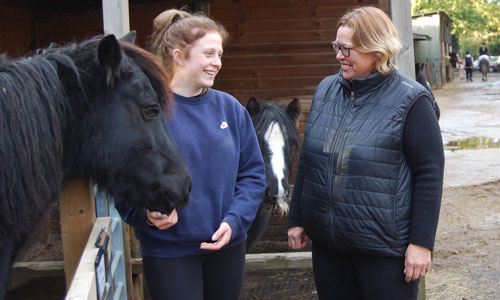
What our members say

“As a livery yard owner, the support from the EEA has been invaluable in the employment of our staff and the efficient running of the business.”
Day Dressage
EEA Member

“We decided we were going to do things differently, I just wasn't always sure how to do it! The EEA has all the solutions to employing staff legally.”
D & L Performance Horses
EEA Member
- Frequently asked
- Contracts and wages
- Time off work & absence
- Staff management & training
- Workplace disputes
- Dismissals and resignations
- Pregnancy and children
- Avoiding discrimination
- Redundancy and Retirement
- Other responsibilities
- Legal Helpline
Tools







- Good Recruitment
- New starters
- Find a groom
Tools
Tools
- Downloads Library
- EEA Pension & Payroll
- Safe workplace
- Employers Minds
- Transporting horses
- Riding Establishment Licences
- Member discounts
Tools
Some functionality of the website is not currently available due to technical difficulties. We're working on fixing the issue.
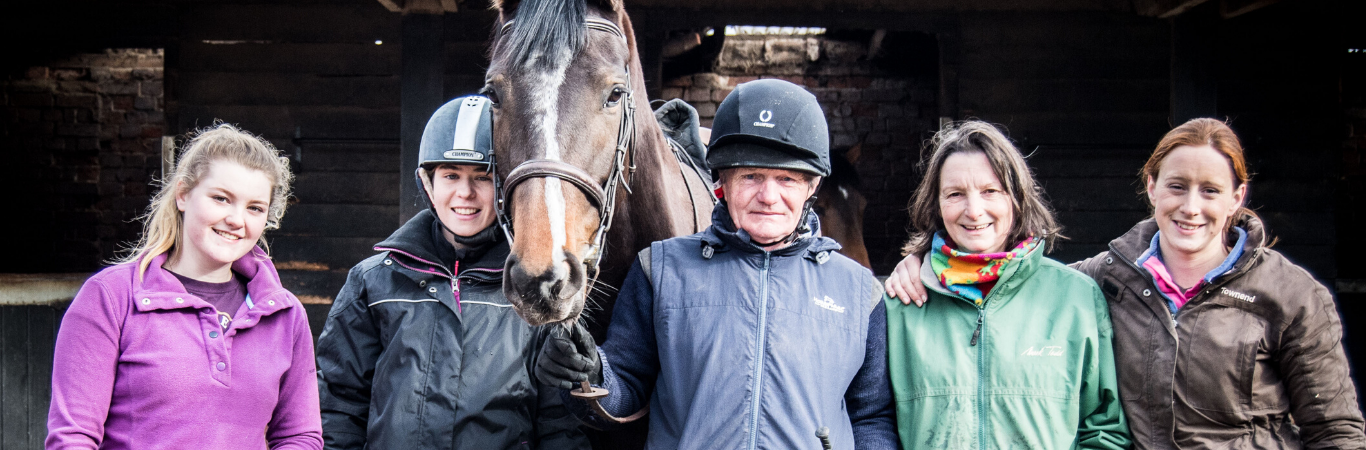
Employer's Life
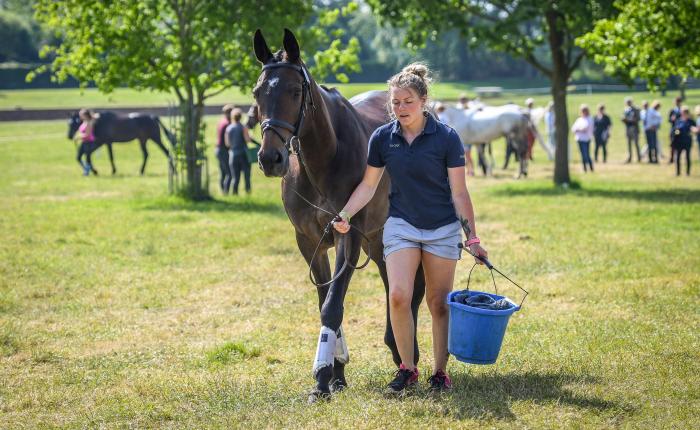
For many of us in the equestrian world, a sunny day is usually welcomed with open arms. After all, we spend most of the year complaining about mud, rain, and frozen water troughs. But when temperatures start creeping into the high twenties and beyond, working on a busy yard can quickly become challenging for both humans and horses. While we may not face the extreme temperatures seen elsewhere in the world, hot weather in the UK brings its own set of risks. A little planning can help keep everyone safe, comfortable, and productive. Yard staff are often among the hardest-working people around. Long hours, physical labour, and limited shade can make hot weather particularly demanding. Under the Health and Safety at Work etc. Act 1974, employers have a duty to ensure, as far as reasonably practicable, the health, safety, and welfare of employees. Although UK law doesn't specify a maximum workplace temperature, employers must assess risks under the Management of Health and Safety at Work Regulations 1999 and take sensible steps to reduce them. Practical measures might include: Keep an eye out for: If someone is showing symptoms, move them to a cool area, encourage fluids, and seek medical advice if symptoms worsen. And remember: nobody wins a prize for pretending they're not struggling. If a member of staff says they're overheating, listen to them before they become tomorrow's accident report. Lightweight, breathable clothing can help staff work more comfortably in high temperatures, as can hats, but appropriate footwear remains essential. Horses can cause serious foot injuries with a single misplaced step, so flip flops, sandals, sliders and other open-toed shoes should never be worn when handling horses or carrying out yard duties. Employers should ensure staff understand footwear expectations and provide clear guidance that, even on the hottest days, sturdy closed-toe footwear is a non-negotiable part of safe working practice. "Every summer we hear stories from grooms who have been injured while wearing unsuitable footwear around horses. Often, they weren't doing anything unusual. They were turning out, bringing in, holding a horse for the farrier or simply popping onto the yard for a few minutes. Unfortunately, that's all it takes." Lucy Katan MBE, Executive Director, Equestrian Employers Association Hot weather can introduce additional hazards around the yard: Review your risk assessments when temperatures rise and communicate any temporary changes to working practices. If we're feeling hot and bothered, our horses probably are too. Unlike us, horses can't simply head indoors, grab an ice lolly, and complain on social media. They rely on us to help them stay comfortable. The most important consideration is access to clean, fresh water. Horses may drink significantly more during hot weather, so troughs and buckets should be checked regularly throughout the day. Don't assume a full trough at breakfast will still be full by teatime. Hosing horses down can also to keep them comfortable. Aim to soak the coat completely and do not remove water with a scraper, instead leave it to dry naturally. Consider: Remember that heat stress can develop surprisingly quickly, particularly in horses that are overweight, unfit, travelling, or competing. Whether horses are stabled or turned out, access to shade is essential. Trees, field shelters, and well-ventilated stables can all help horses escape direct sunlight during the hottest hours. Signs may include: If you suspect heat stress, move the horse into shade, apply cool water, and contact your vet if symptoms persist. No discussion of summer would be complete without mentioning flies. As temperatures rise, so do fly populations, often bringing irritation, stress, and skin problems for horses. Consider: Sadly, despite their confidence, flies are not qualified to manage your yard operations. When temperatures are unusually high, it's worth reconsidering plans. Check event organiser guidance, monitor forecasts, and be prepared to adjust schedules. Sometimes the smartest decision is not pushing ahead with business as usual. Clients generally appreciate proactive communication far more than emergency explanations later. Hot weather should be something we enjoy, not endure. By making sensible adjustments, carrying out suitable risk assessments, and keeping both staff and horses at the centre of decision-making, yards can continue operating safely while everyone enjoys the rare British sunshine. And if all else fails, remember: in a few months we'll probably be wishing we had this problem again while breaking ice out of water buckets.
Managing Staff and Horses in Hot Weather
23rd June 2026
Looking After Your Team
Spotting Heat Exhaustion
Wearing suitable clothing
Don't Forget the Risk Assessment
Keeping Horses Comfortable
Water, Water, and More Water
Adjust Exercise and Teaching Routines
Provide Shade
Watch for Signs of Heat Stress
Flies: The Unofficial Yard Managers
Competitions, Clinics and Events
BLOG ARCHIVE
- 2026 (10 ENTRIES)
- 2025 (16 ENTRIES)
- 2024 (10 ENTRIES)
- 2023 (10 ENTRIES)
- 2022 (6 ENTRIES)
- 2021 (4 ENTRIES)
- 2020 (7 ENTRIES)
- 2019 (14 ENTRIES)
- 2018 (9 ENTRIES)
OUR PARTNERS






-Small.jpg)

The EEA is the membership association for all
equestrian employers in the UK and NI.
MEMBERS OF:


Your item has been added to the basket
You need to create an account, or login before you can add this item to your basket.